

Artificial food dyes are more common than many people realize. They are often used to make foods and products look brighter, more consistent, or more appealing. While many people associate food coloring with birthday cakes or candy, artificial dyes can also show up in a wide range of packaged foods and household products.
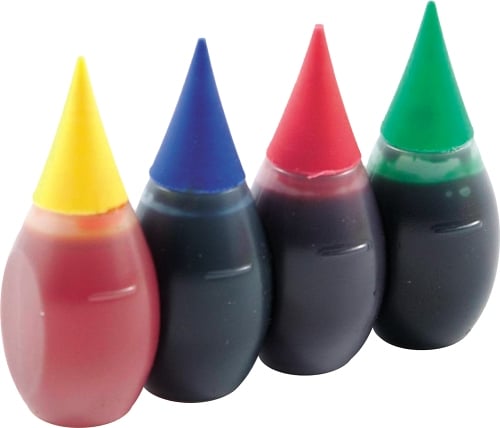
Common examples include:
- Yogurt
- Boxed macaroni and cheese
- Puddings
- Lunchables
- Fruit Roll Ups
- Candy
- Pickles
- Meat
- Vitamins
- Cough syrup
- Toothpaste
- Hair products
- Health and beauty items
- Laundry detergents
Types of Food Color Additives
The US Food and Drug Administration divides food colorants into two categories:
- Certifiable Color Additives: These are synthetic colors, often derived from petroleum or coal tar sources and produced in laboratories. These are the dyes most people usually think of as “artificial colors.”
- Exempt Color Additives: These are derived from plant, animal, or mineral sources and then processed for use in foods and products. They are often thought of as more natural in origin, although they are still processed ingredients.
Common Artificial Food Dyes Used in the U.S.
The page notes seven commonly used food dyes in the United States, with Red 40, Yellow 5, and Yellow 6 among the most widely used.
| FD&C # | Hue | Name | Common Uses |
| Blue #1 | Bright Blue | Brilliant Blue | Beverages, powders, jellies, confections, condiments, icings, syrups, extracts |
| Blue #2 | Royal Blue | Indigotine | Baked goods, cereals, snack foods, ice cream, confections, cherries |
| Green #3 | Sea Green | Fast Green | Beverages, puddings, ice cream, sherbet, cherries, baked goods, dairy products |
| Red #3 | Cherry-Red | Erythrosine | Canned Cherries, confections, baked goods, dairy products, snack foods |
| Red #40 | Orange-Red | Allura Red | Gelatins, puddings, dairy products, confections, beverages, condiments |
| Yellow #5 | Lemon Yellow | Tatrazine | Custards, beverages, ice cream, confections, preserves, cereals |
| Yellow #6 | Orange | Sunset Yellow | Cereals, baked goods, snack foods, ice cream, beverages, confections |
Why Food Dyes Come Up So Often
Food dyes are mostly used for appearance. They do not add nutritional value, but they can make foods look more colorful, uniform, or appealing. This is one reason they often come up in conversations about processed foods and ingredient awareness.
Ongoing Questions and Concerns
Artificial food dyes have been debated for years, especially in relation to children’s behavior and attention. Some studies and advocacy groups have raised concerns about possible links between certain dyes and hyperactivity, while regulators and researchers have not always agreed on how strong that link is.
The 2007 Southampton study brought additional attention to this issue and contributed to warning-label requirements in parts of Europe for certain dyes sometimes referred to as the “Southampton Six.”
In the United States, some consumer advocacy groups, including the Center for Science in the Public Interest, have pushed for stricter action or clearer labeling on artificial dyes.
Differences Between Countries
One reason this topic gets extra attention is that some manufacturers have used different formulations in different countries. In some cases, products sold overseas have used alternative colorings or carried additional warning labels.
That does not automatically make every dyed product the same, but it does show that ingredient standards and labeling practices can vary depending on the market.
A Practical Approach
For many people, the takeaway is simple: food dyes are one of many ingredients worth paying attention to when reading labels. They are not present because they improve nutrition, but because they affect appearance.
If limiting artificial dyes is important to you, a practical place to start is by:
- reading ingredient lists more closely
- comparing similar products
- choosing foods with simpler ingredient lists when possible
- relying more on less processed foods and homemade options
The goal does not have to be perfection. It can simply be understanding what food dyes are, where they are commonly found, and how they fit into your broader approach to processed foods.


Leave a Reply